
Shopify is no longer just selling templates; it's also building the operating system for the agent economy.


For the last decade, we've been obsessed with "conversion." We've built beautiful interfaces, optimized one-click checkout, and worshipped at the altar of meta-algorithms. But here's the reality that no one in traditional SaaS wants to admit: humans will no longer be the primary buyers on the web.
We're moving from an internet of "people scrolling" to an internet of "agents performing tasks." And in this new world order, Shopify isn't aiming to be your store; it's aiming to be the kernel, the operating system where AI agents will live, transact, and deliver value.
From "Storefront" to "Agent-Front"
Historically, Shopify was a place for humans to look at pictures. But if you analyze its latest technological moves from the massive rollout of Shopify Magic to the radical opening of its feature APIs the pattern is clear.
The visual interface (the front end) is becoming irrelevant. What matters now is the transactional back end. An AI agent doesn't need a "20% off" banner designed in Canva. It needs a high-fidelity API, real-time inventory, and a programmable checkout rail.
Shopify is preparing its infrastructure so that an AI agent can "read" a store, negotiate a price based on the merchant's logic, and execute the purchase without a human touching a mouse.
Why This Changes the Game for Niftmint and RWAs
Here’s where things get interesting for us at TF Labs. If Shopify is the operating system, products need to be more than just an entry in an SQL database. They need to be smart digital assets.
By tokenizing products and treating them as Real World Assets (RWAs) within this ecosystem:
Programmable Ownership: The agent doesn’t just buy a “pair of shoes”; they acquire an asset with a verifiable ownership history on the chain.
Interoperability: If Shopify is the OS, agents can move products between different platforms seamlessly because the “product” is now a liquid unit of data.
Instant Liquidity: The combination of AI and tokenized assets allows commerce to happen at lightning speed, not the speed of a submission form.
Autonomous Commerce
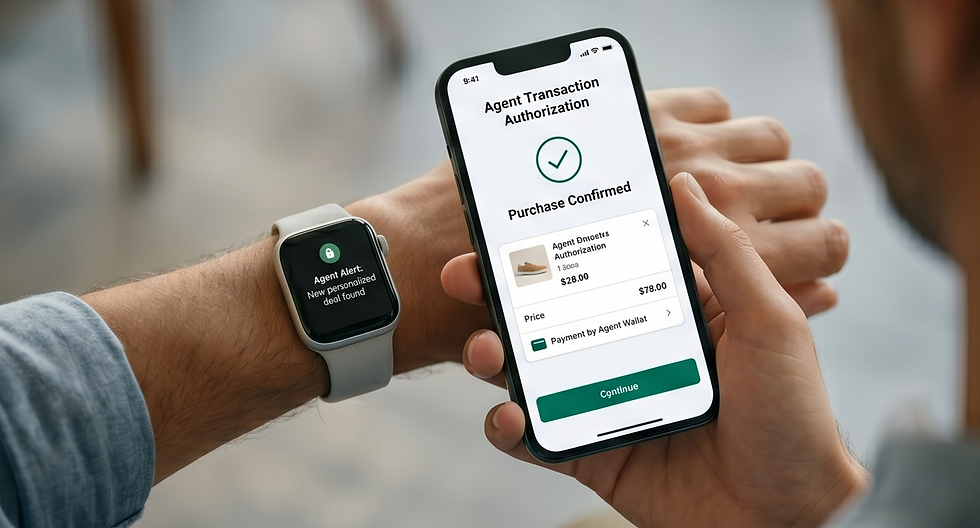
Imagine a world where your personal AI agent knows your refrigerator is malfunctioning, searches the Shopify network for the best replacement part, verifies its authenticity through a Aizii protocol, negotiates shipping, and pays for the transaction using a stablecoin or programmable credit.
All of this happens while you sleep. Shopify provides the rail; we provide the trust and tokenization layer.
Many see Shopify as a retail software company. I see them as the largest enabler of agent infrastructure on the planet. Those who continue to optimize only for human eyes will be left behind. The future belongs to those who build for the algorithms that buy.
At Aizii, we're not just observing this transition; we're building the fabric that allows those agents to trust what they're buying.
E-commerce is no longer about "stores." It's about operating systems. And the operating system of the next decade already has a name.
Contact us at info@tflabs.io



Comments